

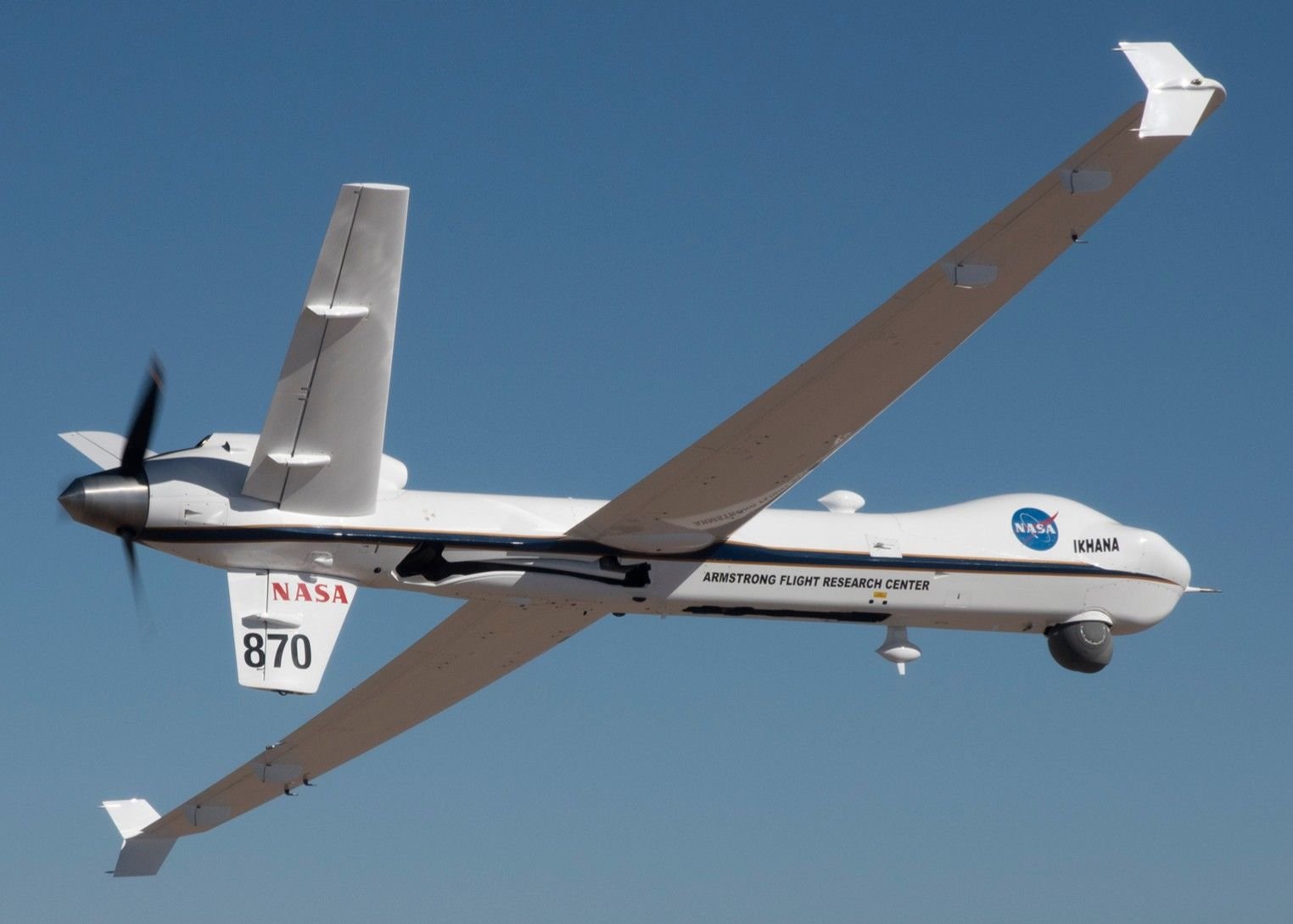
One of the first decisions in any drone project is the basic layout. Fixed-wing aircraft and multirotors solve different problems, and choosing the wrong one usually means rebuilding later. The right answer comes from the mission, not from preference.
When fixed-wing makes sense
A fixed-wing aircraft generates lift from its wing, so it needs far less power to stay in the air. That makes it the natural choice for long range and long endurance: mapping large areas, patrolling pipelines or powerlines, and covering big agricultural fields in a single flight.
- Long range and endurance for the same battery or fuel
- Efficient coverage of large areas
- Needs space or a launcher for take-off and landing
- Cannot hover over a fixed point
When multirotor makes sense
A multirotor holds itself up entirely with its rotors. It uses more energy, but it can take off vertically, hover in place and move precisely in tight spaces. That suits inspection, close-range photography and work around structures.
- Vertical take-off and landing from small areas
- Stable hovering for inspection and filming
- Shorter flight time than a fixed-wing of similar size
- Simple to transport and deploy
What about hybrid VTOL?
Hybrid VTOL aircraft combine vertical take-off with fixed-wing cruise. They remove the need for a runway while keeping much of the cruise efficiency, at the cost of extra weight and complexity. They are worth considering when you need both range and small launch areas.
How to decide
Write down the area to cover, the time on station, the payload weight and the space available for launch and recovery. Comparing these against both layouts usually makes the choice clear. If it does not, a short configuration study can compare the options with real numbers before you commit to hardware.
Have a question about this topic? Ask our engineers.